How to Optimize Water Ingress Cable Corruption for Best Results in Middlesbrough

Introduction: Safeguarding Your Network Infrastructure in Middlesbrough from Water Ingress
Greetings from Newcastle upon Tyne. As Gary Pearce, an NSI/SSAIB certified Security and Networking Engineer, I've dedicated my career to ensuring the robustness and reliability of critical infrastructure across the North East. From sophisticated CCTV deployments to intricate access control systems and compliant intruder alarms, the backbone of any effective security or networking solution is its cabling. In environments like Middlesbrough, exposed to diverse weather patterns and industrial elements, the integrity of this cabling is constantly tested.
Water ingress cable corruption is not merely an inconvenience; it's a insidious threat that can cripple entire systems, compromise security, and lead to significant operational downtimes and financial losses. This comprehensive guide is designed to empower you with the knowledge to not just react to, but proactively prevent and effectively remediate, water ingress issues. Our aim is to optimise your approach to managing such faults, ensuring long-term resilience and optimal performance for your installations.
My expertise covers a wide spectrum of technologies, from traditional copper cabling systems (Cat5e, Cat6, Cat7, Cat8) to advanced fibre optics, and the intricate demands of Power over Ethernet (PoE, PoE+). Coupled with a deep understanding of weatherproofing standards (IP66, IP67) and stringent security compliance (NSI Grade 2/3, SSAIB, EN 50131), I'm here to provide actionable insights for achieving the best results in Middlesbrough's unique operational landscape.
Understanding the Peril: How Water Corrupts Your Cables
The Mechanisms of Corruption
When water penetrates the protective sheath of a data or power cable, it initiates a cascade of destructive processes. The primary mechanisms involve:
- Corrosion: Copper conductors, especially when exposed to oxygen and electrolytes (present in water), begin to oxidise. This forms copper oxides and other corrosive compounds, increasing resistance and degrading the conductive properties of the cable.
- Impedance Changes: Water infiltration alters the dielectric constant of the cable's insulation, leading to changes in impedance. This mismatch causes signal reflections, attenuation, and significant data packet loss, especially noticeable in high-frequency data transmission.
- Short Circuits: In multi-pair cables, water can create conductive paths between individual wires or between wires and ground, causing electrical shorts. This is particularly problematic for PoE circuits, leading to power delivery failures or damage to connected devices.
- Signal Attenuation: The presence of water absorbs electromagnetic energy, weakening the data signal as it travels along the cable. This reduced signal strength can lead to intermittent connectivity, slower network speeds, and complete communication failure over distance.
- Crosstalk and Noise: Water can degrade the twisting of twisted-pair cables and compromise the integrity of shielding, increasing crosstalk (signal bleed between pairs) and making the cable more susceptible to external electromagnetic interference (EMI).
Impact on Security and Networking Systems
The consequences of water-damaged cabling are far-reaching, particularly for critical security and networking infrastructure:
- Security System Degradation: For NSI Grade 2/3 intruder alarm systems conforming to EN 50131 standards, cable integrity is paramount. Corrupted cabling can lead to false alarms, communication failures with alarm receiving centres (ARCs), and compromise the overall security grading, potentially invalidating insurance. Similarly, for SSAIB certified installations, continuous system health monitoring is a prerequisite.
- CCTV Surveillance Failures: Modern IP CCTV systems, often leveraging PoE for cameras from manufacturers like Hikvision Global Security, are highly dependent on robust cabling. Water ingress can cause cameras to drop offline, display corrupted video feeds, or suffer power loss, creating critical blind spots in your surveillance coverage.
- Access Control Malfunctions: Door readers, electronic locks, and other access control components rely on reliable data and power. Compromised cables can lead to access failures, security breaches, or situations where entry/exit is impossible.
- Network Downtime and Performance Issues: Beyond security, water ingress can bring down entire network segments, affecting VoIP phones, Wi-Fi access points, and general data communication, leading to significant productivity losses.
Precision Diagnostics: Identifying Water Ingress Faults (Detailed Section 1: Troubleshooting)
Effective troubleshooting is the cornerstone of optimising any cable repair strategy. Without accurately identifying the fault location and its nature, efforts can be wasted, and the underlying problem may persist. My approach combines visual inspection with advanced instrumentation.
Initial Visual Inspection and Environmental Factors
The first step always involves a thorough visual inspection. Look for:
- Obvious Cable Damage: Cuts, abrasions, crushing, or severe kinking in cable runs.
- Compromised Weatherproofing: Cracked conduit, degraded cable ties, loose or corroded gland seals on enclosures (junction boxes, camera housings).
- Water Pooling: Areas where water collects, especially around cable entry points or underground conduits. Pay particular attention to low points in runs, horizontal surfaces, and cable glands.
- Discolouration or Oxidation: Green or black residue on connectors, terminals, or exposed copper conductors, indicative of corrosion.
- Environmental Context: Consider local factors in Middlesbrough. Is the cable exposed to direct rainfall, sea spray (if near the coast), or industrial runoff? Are there roof leaks or overflowing gutters nearby?
Utilising Advanced Testing Equipment
When visual inspection isn't conclusive, or for verifying repairs, specialised testing equipment is indispensable:
- Time Domain Reflectometers (TDRs): A TDR is a powerful diagnostic tool that sends an electrical pulse down the cable and measures the reflections caused by impedance changes. Water ingress, with its altering dielectric properties, presents a clear impedance discontinuity. A TDR can precisely pinpoint the distance to the fault along the cable run, saving hours of investigative work. For example, a sharp drop in impedance at 45 metres indicates where water has likely entered the cable.
- Cable Certifiers: For Cat5e, Cat6, Cat6a, Cat7, or Cat8 installations, a professional cable certifier is crucial. These devices perform a battery of tests against industry standards (e.g., TIA/EIA-568) including:
- Wire Map: Identifies opens, shorts, crossed pairs, and split pairs. Water ingress often causes shorts.
- Insertion Loss (Attenuation): Measures signal loss over distance. Water significantly increases attenuation.
- Return Loss: Quantifies signal reflections. Impedance changes from water ingress will show high return loss.
- Near-End Crosstalk (NEXT) / Far-End Crosstalk (FEXT): Measures signal interference between pairs. Water can degrade pair twisting and shielding, leading to increased crosstalk.
- Propagation Delay and Delay Skew: Water can affect signal speed and consistency across pairs.
A failed certification report, particularly on attenuation or return loss, is a strong indicator of water ingress or other cable damage. It's essential for verifying that repairs meet Cat6 performance standards for modern IP systems.
- PoE Testers and Multimeters: For PoE-powered devices, a dedicated PoE tester can confirm power delivery and class. If a device is failing due to power issues, a multimeter can check for voltage drop along the cable. Significant voltage drop over a short distance points to increased resistance, often caused by corrosion from water.
Effective Remediation: Repairing Water-Damaged Cables
Isolation and Safety Protocols
Before any physical repair work begins, safety is paramount. All affected circuits must be powered down and verified as de-energised. Implement a robust lockout/tagout procedure to prevent accidental re-energisation. For security systems, notify the Alarm Receiving Centre (ARC) and relevant stakeholders of planned downtime.
Methodologies for Repair
The choice of repair method depends on the extent and location of the water ingress:
- Section Replacement: The Preferred Method
For heavily compromised sections of cable, especially those with visible corrosion, the most reliable long-term solution is to replace the entire damaged segment. This eliminates all compromised conductors and insulation.- Identify and Isolate: Use TDR results to precisely locate the damaged section.
- Cut and Remove: Carefully cut out the compromised cable, ensuring sufficient overlap for new connections.
- Install New Cable: Run a new, appropriately rated cable (e.g., Cat6 outdoor-rated) for the section. Ensure minimal bend radius is maintained.
- Proper Termination: Terminate the new cable ends into high-quality, weather-sealed connectivity points (e.g., IP-rated keystone jacks or IDC connectors) within an IP66/IP67 rated junction box. Ensure proper pair twisting and strain relief.
- Test and Certify: After replacement, rigorously test the new run with a cable certifier to ensure it meets performance standards and re-establish NSI/SSAIB compliance.
- Junctions and Splices: When Unavoidable
While full section replacement is ideal, sometimes space, budget, or routing constraints necessitate a splice or junction. This must be executed with the utmost care to prevent future ingress.- IP-Rated Junction Boxes: Always use junction boxes rated at least IP66 or, ideally, IP67 for outdoor or damp environments. These boxes protect against dust and powerful water jets, and even temporary immersion for IP67.
- Gel-Filled Connectors: For individual conductor splices, use gel-filled (e.g., Scotchlok) connectors that encapsulate the splice in a moisture-resistant compound.
- Water-Blocking Tape/Heat Shrink: After making connections within the junction box, consider wrapping the entire bundle with water-blocking tape or using adhesive-lined heat shrink tubing for an extra layer of protection before closing the enclosure.
- Cable Glands: Ensure all cable entries into the junction box are sealed with appropriate compression glands that tighten around the cable sheath, creating a watertight seal.
Proactive Defence: Preventing Future Water Ingress (Detailed Section 2: Installation Procedures & Technology)
Prevention is always more cost-effective and reliable than reactive repairs. A robust prevention strategy incorporates careful selection of components, meticulous installation, and adherence to best practices, all critical for maintaining security compliance in Middlesbrough.
Selecting the Right Cable for the Environment (Detailed Section 2 part 1: Technology)
The choice of cable is fundamental to its longevity and performance:
- Outdoor-Rated Cable: For any external runs, standard indoor PVC jacketed cable is wholly inadequate. You must use cable specifically designed for outdoor use. These typically feature:
- UV-Resistant Jacket: Often made from LLDPE (Linear Low-Density Polyethylene) or similar materials, resistant to degradation from sunlight.
- Moisture-Resistant Construction: This can include gel-filling (e.g., petroleum jelly) around the conductor pairs, water-blocking tape (which swells when exposed to water), or solid polyethylene insulation.
- Armouring: For direct burial or areas prone to physical damage, armoured cables offer additional protection.
- Cable Category Selection: The appropriate category (Cat5e, Cat6, Cat7, Cat8) must match the network's bandwidth and PoE requirements.
- Cat5e: While still functional for basic data and lower-power PoE, its limited bandwidth (1 Gbps) and susceptibility to crosstalk make it less suitable for modern IP security systems, especially over longer distances. It's often inadequate for future-proofing.
- Cat6/Cat6a: These are the recommended minimum for most contemporary IP CCTV, access control, and network installations. They support 1 Gbps (Cat6) or 10 Gbps (Cat6a) over shorter distances and are well-suited for PoE/PoE+. Their tighter twists and better insulation offer improved resistance to interference. Always choose solid copper conductors; CCA (Copper Clad Aluminium) is unreliable, especially for PoE, and does not meet industry standards.
- Cat7/Cat8: For extremely high-bandwidth applications (10 Gbps and beyond), data centres, or harsh industrial environments requiring superior noise immunity, Cat7 (shielded, individual pair shielding) or Cat8 (25/40 Gbps over 30m, fully shielded) are appropriate. These offer maximum future-proofing and signal integrity, albeit at a higher cost and with more challenging termination requirements.
The Significance of IP Ratings and Weatherproofing (Detailed Section 2 part 2: Installation Procedures)
IP (Ingress Protection) ratings are critical for components exposed to the elements:
- Understanding IP66 and IP67:
- IP66: "Dust tight" and protected against "powerful water jets" (e.g., heavy rain, hose spray). Suitable for most outdoor applications where direct water exposure is expected.
- IP67: "Dust tight" and protected against "immersion up to 1 metre for 30 minutes". Essential for areas prone to temporary flooding or where components might be submerged (e.g., ground-level junction boxes).
- Application: Ensure all external enclosures (junction boxes, camera housings), connectors, and gland seals meet or exceed these ratings. The weakest link dictates the overall protection level.
- Waterproof Conduits and Trunking:
- Rigid Conduits: Heavy-gauge PVC or galvanised steel conduits provide excellent physical protection and are essential for outdoor runs. Ensure all joints are properly sealed with appropriate fittings and sealants.
- Flexible Conduit: Liquid-tight flexible conduit (e.g., nylon or galvanised steel with a PVC jacket) should be used where flexibility is required, ensuring liquid-tight connectors are used at all termination points.
Correct Installation Techniques
Even the best components will fail with poor installation:
- Cable Routing:
- Avoid Pooling: Route cables to prevent water pooling on or around them. Avoid horizontal runs where water can sit.
- Drip Loops: Always incorporate drip loops before cable entries into enclosures. This allows water to drip off the cable before it reaches the entry point, preventing it from tracking into the device.
- Vertical Runs: Wherever possible, route cables vertically upwards into enclosures to utilise gravity in shedding water.
- Conduit Slope: Ensure conduits have a slight downward slope to allow any accumulated water to drain away naturally, rather than pooling.
- Glanding and Sealing:
- Compression Glands: Use the correct size compression gland for each cable entering an enclosure. These glands compress a rubber seal around the cable, creating a watertight barrier.
- Sealants: Apply high-quality, weather-resistant silicone sealant or mastic tape around cable glands and any penetrations (e.g., where conduit enters a building) to provide an extra layer of protection.
- Conduit Ends: Cap or seal unused conduit ends to prevent water and vermin ingress.
- Earthing and Bonding: Essential for safety and mitigating surge damage, especially for outdoor metallic components. Proper earthing helps prevent electrical hazards if water ingress causes a short to metalwork and protects sensitive equipment from lightning strikes or power surges. This directly impacts the resilience required for systems discussed in our internal guide on Automating Security Responses to Smoke and Carbon Monoxide Alarms, where reliable power and data are crucial.
Power Over Ethernet (PoE) and Water Ingress: A Critical Relationship (Detailed Section 3: Technology)
The Vulnerability of PoE Circuits
PoE (IEEE 802.3af) and PoE+ (IEEE 802.3at) systems deliver both data and electrical power over a single Ethernet cable. While incredibly convenient for deploying IP devices like cameras, access points, and VoIP phones, this dual functionality makes them particularly vulnerable to water ingress. When water enters a PoE cable:
- Short Circuits: As mentioned, water can bridge conductors, causing shorts. In a PoE circuit, this can lead to immediate power shutdown by the PoE source (e.g., PoE switch) to protect itself, resulting in device failure. In severe cases, it can damage the PoE port or the connected device.
- Increased Resistance and Voltage Drop: Corrosion and impedance changes from water increase the electrical resistance of the cable. For PoE, this means a significant voltage drop along the cable. If the voltage at the device end falls below its minimum operational threshold, the device will malfunction or fail. This is especially critical for higher-power PoE+ devices (up to 30W at the source) which demand more current.
- Data Integrity Loss: Even if power is maintained, the data signal can be severely degraded by water. This leads to intermittent connectivity, slow data rates, and packet retransmissions, consuming bandwidth and reducing overall network efficiency. For high-resolution IP cameras, this might manifest as pixelation, dropped frames, or complete video loss.
Maintaining Power Budgets and Data Integrity
To ensure robust PoE performance, especially in potentially damp environments:
- Solid Copper Conductors: Always use cables with solid copper conductors (not CCA – Copper Clad Aluminium). Copper offers superior conductivity and lower resistance, crucial for maintaining voltage over distance, particularly for PoE. CCA cables have higher resistance, leading to greater voltage drop and potential overheating.
- Appropriate Cable Gauge: Ensure the cable gauge (typically 24AWG or 23AWG for Cat6/6a) is sufficient for the power requirements and distance. Thicker gauge (lower AWG number) means less resistance.
- Minimum Bend Radius: Respect the cable's minimum bend radius during installation. Over-bending can stress and damage the internal conductors and insulation, creating micro-cracks where moisture can eventually penetrate.
- High-Quality Connectors and Terminations: Use robust, sealed, and corrosion-resistant RJ45 connectors and keystone jacks. Ensure proper punch-down or crimping techniques to maintain pair twisting and create reliable connections. For outdoor applications, specialised IP-rated connectors (e.g., M12 or IP67-rated RJ45 pass-throughs) are invaluable.
- PoE Extenders/Mid-span Injectors: For very long runs where voltage drop becomes an issue, consider outdoor-rated PoE extenders or mid-span injectors. These devices regenerate the PoE signal and power, but they too must be housed in IP66/IP67 enclosures and properly sealed.
- Regular Inspection and Maintenance: Proactive checks of outdoor cabling and termination points, especially after severe weather, can identify early signs of compromise before they lead to system failure.
Cabling Standards Comparison: Making Informed Choices
Choosing the correct cable category is crucial for performance, future-proofing, and preventing issues like water ingress from disproportionately affecting system functionality. Here's a comparison of common Ethernet cabling standards:
Conclusion: Long-Term Reliability for Middlesbrough's Infrastructure
The successful optimisation of water ingress cable corruption, or more accurately, the prevention and effective remediation of its effects, hinges on a multi-faceted approach. It combines meticulous planning, the selection of appropriate, high-quality components, adherence to stringent installation procedures, and a commitment to ongoing maintenance.
In Middlesbrough's dynamic environment, where systems are increasingly interconnected and reliant on uninterrupted power and data, overlooking the vulnerability of cabling to water can have catastrophic consequences for security and operational continuity. Investing in proper outdoor-rated cabling, IP66/IP67 rated enclosures, professional termination, and rigorous testing is not merely a cost; it's an investment in your system's long-term reliability, compliance with NSI Grade 2/3 and SSAIB standards, and ultimately, your peace of mind.
As an NSI/SSAIB certified engineer, my commitment is to deliver solutions that are not only effective in the short term but are built to withstand the test of time and the elements. By applying the principles outlined in this guide, you can significantly reduce your exposure to cable corruption, ensuring your security and networking infrastructure continues to perform optimally, safeguarding your assets and operations in Middlesbrough.
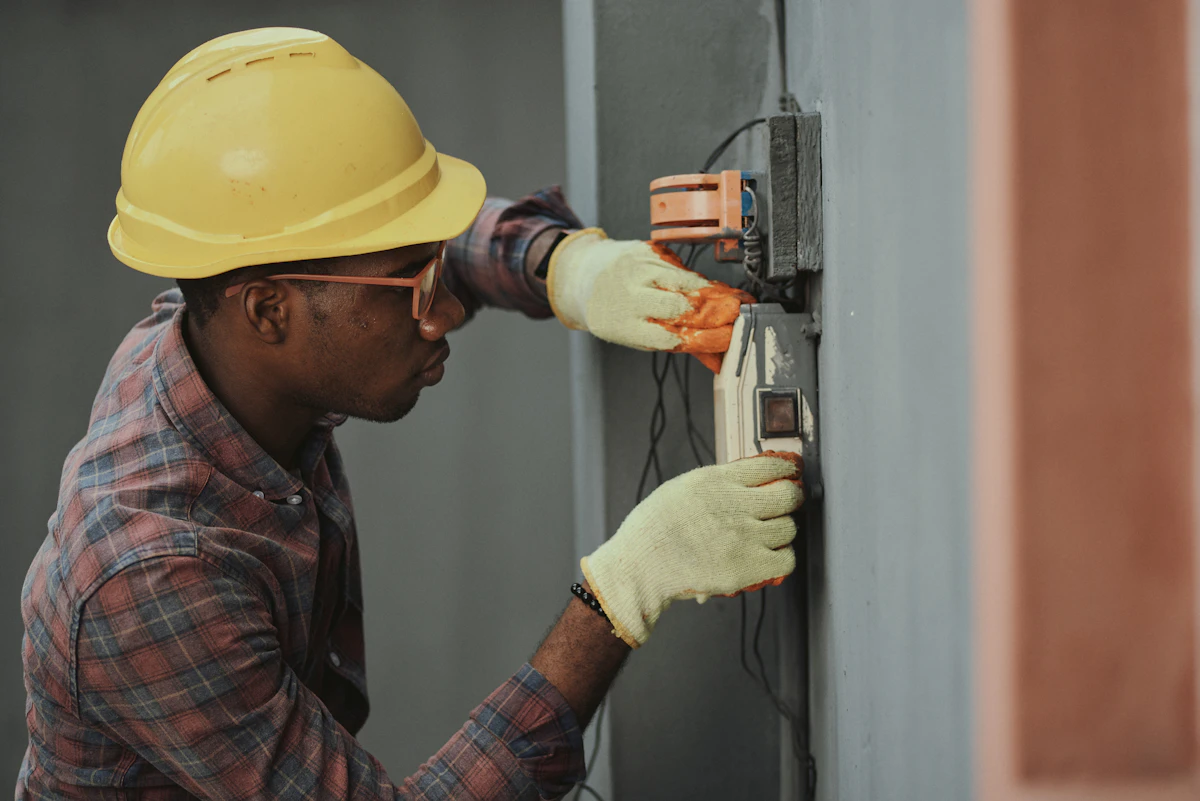
Figure 2: Quality installation standard deployment for Cable Repairs.
? Frequently Asked Questions
Q: What details do you provide regarding How to Optimize Junction Box Splicing for Best Results in Tynemouth?
A: We have written an extensive guide on this. Read our complete guide to How to Optimize Junction Box Splicing for Best Results in Tynemouth or contact Gary Pearce on 07830638337.
Q: What details do you provide regarding How to Optimize Ethernet Cable Splicing for Best Results in Ashington?
A: We have written an extensive guide on this. Read our complete guide to How to Optimize Ethernet Cable Splicing for Best Results in Ashington or contact Gary Pearce on 07830638337.
Q: What details do you provide regarding How to Optimize Water Ingress Cable Corruption for Best Results in Morpeth?
A: We have written an extensive guide on this. Read our complete guide to How to Optimize Water Ingress Cable Corruption for Best Results in Morpeth or contact Gary Pearce on 07830638337.
Q: What details do you provide regarding How to Optimize Junction Box Splicing for Best Results in Jarrow?
A: We have written an extensive guide on this. Read our complete guide to How to Optimize Junction Box Splicing for Best Results in Jarrow or contact Gary Pearce on 07830638337.
Q: What details do you provide regarding How to Optimize Ethernet Cable Splicing for Best Results in Jesmond?
A: We have written an extensive guide on this. Read our complete guide to How to Optimize Ethernet Cable Splicing for Best Results in Jesmond or contact Gary Pearce on 07830638337.
Need a Professional Quote?
Trust Gary Pearce Home Services for NSI and SSAIB certified installations. Expert, reliable, and compliant.

Comments
Post a Comment