Expert Guide to Underfloor Cable Trays Installations

Expert Guide to Underfloor Cable Trays Installations: Precision, Performance, and Compliance
Greetings from Newcastle upon Tyne. As Gary Pearce, an NSI and SSAIB certified Security and Networking Engineer, I've dedicated my career to crafting robust and reliable infrastructure solutions across the UK. Today, I want to share insights from years of hands-on experience concerning a critical, yet often overlooked, element of modern building infrastructure: the expert installation of underfloor cable trays. In an era where data is king and seamless connectivity is paramount, the unseen network backbone beneath our feet plays a pivotal role in operational efficiency, system longevity, and, crucially, security.
The decision to deploy an underfloor cabling system using dedicated trays is a strategic one, offering myriad benefits from enhanced aesthetics and improved airflow for cooling to simplified maintenance and superior physical security. However, the success of such an installation hinges entirely on meticulous planning, adherence to stringent industry standards, and a deep understanding of both networking and building regulations. This comprehensive guide aims to arm you with the knowledge required to design, install, and maintain an underfloor cabling infrastructure that not only meets today's demands but is also resilient and future-proof.
Understanding the Foundation: Why Underfloor Cabling?
Before delving into the technicalities, it's essential to appreciate the strategic advantages that underfloor cable tray systems offer. Raised access flooring systems, common in data centres, modern offices, and educational institutions, create a void beneath the main floor surface, providing an ideal, discreet pathway for services. Utilising this void for cabling brings several key benefits:
- Aesthetics and Space Optimisation: By concealing cables, we eliminate unsightly overhead trunking and wall-mounted conduits, contributing to a cleaner, more professional environment. This also frees up valuable wall and ceiling space.
- Enhanced Accessibility and Maintenance: With removable floor panels, technicians can easily access specific sections of cabling for maintenance, upgrades, or troubleshooting without significant disruption to operations.
- Improved Thermal Management: In data centres and comms rooms, the underfloor void is often part of the cooling plenum, allowing hot air to dissipate or cold air to be delivered directly to equipment. Proper cable management in trays prevents the formation of "hot spots" within cable bundles, a critical consideration for Power over Ethernet (PoE) deployments.
- Physical Security: Cables are protected from accidental damage, tampering, and unauthorised access, which is especially important for critical infrastructure and security system wiring (NSI Grade 2/3 and SSAIB compliance).
- Flexibility and Scalability: Underfloor systems inherently offer greater flexibility for future expansion and reconfiguration of network layouts compared to fixed overhead or in-wall installations.
Core Components: Cable Trays and Their Selection
The choice of cable tray is fundamental to the system's success. Various types and materials are available, each suited to different applications and environmental conditions:
- Basket Trays (Mesh): Highly versatile and cost-effective, offering excellent ventilation for heat dissipation. Easy to cut and form on-site, making them ideal for complex routes and last-minute adjustments.
- Ladder Trays: Robust and excellent for heavy cable loads, providing maximum ventilation due to their open design. Often used for main distribution runs.
- Perforated Trays: A solid base with holes for ventilation, offering good support for cables while providing some protection from dust and dropped items.
- Solid Bottom Trays: Offer maximum protection for cables against dust, moisture, and EMI/RFI, but provide minimal ventilation. More suited for environments requiring high ingress protection or when segregating sensitive cables.
Materials:
- Pre-Galvanised Steel: Standard and economical for indoor, dry environments.
- Hot-Dip Galvanised Steel: Offers enhanced corrosion resistance, suitable for damp or challenging indoor environments, potentially achieving aspects of IP (Ingress Protection) for the tray itself, though the overall system's IP rating depends on enclosures and sealing.
- Stainless Steel: Best for highly corrosive environments or applications demanding superior cleanliness, such as pharmaceutical or food processing facilities.
- PVC/GRP: Lightweight, non-conductive, and highly resistant to corrosion. Ideal where metallic trays are unsuitable due to chemical exposure or electromagnetic sensitivity.
Cabling Standards & Performance: A Deep Dive into Network Infrastructure
The cables themselves are the arteries of your network, and their selection, installation, and management directly dictate performance, reliability, and future scalability. My work often involves deploying high-performance networks, utilising equipment from industry leaders like Ubiquiti UniFi Networks, which demand robust cabling infrastructure.
Ethernet Cabling Standards and Applications:
Understanding the nuances of each cabling category is crucial for optimising performance and cost-effectiveness:
- Category 5e (Cat5e): Still prevalent for basic network requirements, supporting 1 Gigabit Ethernet (1GbE) up to 100 metres. Suitable for general data, VoIP, and non-PoE CCTV applications where budget is a primary concern. Its performance may be marginal for high-density PoE applications due to potential heat build-up.
- Category 6 (Cat6): A significant step up, providing 1GbE over 100m and 10 Gigabit Ethernet (10GbE) up to 55 metres. Cat6 offers improved crosstalk performance and is excellent for modern office environments, supporting standard PoE and PoE+ devices. When bundled in trays, careful consideration for heat dissipation is required.
- Category 6a (Cat6a): The preferred choice for new installations requiring 10GbE over the full 100-metre distance. Cat6a is designed with superior performance specifications, making it suitable for high-bandwidth applications, virtualisation, and all current PoE standards (including PoE++). Its larger diameter and more robust construction also assist in heat management within cable bundles.
- Category 7/7a (Cat7/7a): Primarily designed for 10GbE with potential for higher speeds (up to 100GbE in future standards) over 100m, but typically uses GG45 or TERA connectors rather than RJ45. Individually shielded pairs (S/FTP) provide exceptional noise immunity, making them ideal for environments with high EMI/RFI. However, their rigidity and specific connector requirements can increase installation complexity and cost.
- Category 8 (Cat8): The latest standard, supporting 25GbE and 40GbE up to 30 metres over copper cabling. Cat8 is specifically engineered for data centre environments and short-distance interconnects, offering extremely high bandwidth. It typically features heavily shielded cables (S/FTP or F/FTP) and requires specific connectors, making it overkill for most general office underfloor deployments.
Power over Ethernet (PoE) Budgets and Thermal Considerations:
PoE technology simplifies infrastructure by delivering both data and power over a single Ethernet cable. This is a game-changer for devices like IP cameras, wireless access points, VoIP phones, and access control systems, often central to security installations that I manage. However, it introduces significant thermal management challenges, especially in underfloor trays:
- PoE (IEEE 802.3af): Provides up to 15.4W at the Power Sourcing Equipment (PSE) and 12.95W at the Powered Device (PD). Suitable for basic IP phones and simpler access points.
- PoE+ (IEEE 802.3at): Delivers up to 30W at the PSE and 25.5W at the PD. Ideal for more powerful IP cameras (including PTZ), high-performance wireless access points, and thin clients.
- PoE++ (IEEE 802.3bt Type 3 & Type 4):
- Type 3 (60W PoE): Up to 60W at the PSE and 51W at the PD, enabling connection of LED lighting, video conferencing systems, and displays.
- Type 4 (90W PoE): Up to 90W at the PSE and 71W at the PD, supporting laptops, larger displays, and even powering smaller desktop computers.
Heat Dissipation: When power is transmitted over copper cables, some energy is lost as heat due to conductor resistance. In dense bundles within enclosed underfloor trays, this heat can accumulate significantly. Elevated cable temperatures can lead to:
- Performance Degradation: Increased insertion loss, affecting signal integrity and reducing effective cable length.
- Cable Damage: Over time, insulation can degrade, leading to shorts or complete failure.
- Safety Hazards: Though rare with proper installation, extreme heat can pose fire risks.
To mitigate this, it's vital to follow derating guidelines from standards like TIA/EIA 568. These guidelines specify reduced maximum cable lengths or smaller bundle sizes for PoE applications, especially for higher power levels and in environments with limited airflow. Basket trays are often preferred underfloor due to their excellent ventilation properties.
Design and Planning: A Strategic Approach to Installation
The success of an underfloor cable tray installation is predominantly determined during the design and planning phase. As an NSI/SSAIB certified engineer, I adhere to a rigorous planning methodology:
1. Site Survey and Assessment:
- Floor Void Depth: Crucial for determining tray type, support structure, and capacity. Adequate depth allows for proper bend radius of cables and segregation of services.
- Existing Services: Identify and map out any existing electrical, HVAC, plumbing, or fire suppression systems within the void to avoid clashes and ensure adequate separation.
- Entry and Exit Points: Plan precise locations for cables to enter/exit the floor void to equipment racks, wall outlets, or other distribution points. Utilise grommets and brush strips for floor panel penetrations to maintain airflow integrity and minimise dust ingress.
- Load Requirements: Calculate the anticipated weight of cables and trays to ensure the raised floor support system can safely accommodate the load.
2. Layout Design and Segregation:
- Separation of Services: A cornerstone of best practice is strict segregation of data, power, and security cabling. This minimises Electromagnetic Interference (EMI) from power cables affecting sensitive data signals. Standards recommend a minimum separation (e.g., 300mm for unshielded data from unshielded power, reducing for shielded/conduited runs). Use dedicated trays or compartmentalised trays where space is limited.
- Bend Radius: All data cables, especially fibre optic and high-category copper (Cat6a, Cat7, Cat8), have minimum bend radius specifications. Violating these can damage cable integrity, leading to performance degradation or outright failure. Cable trays must facilitate these gentle curves.
- Accessibility and Maintenance Zones: Design the layout to allow easy access to all cable runs and connections. Avoid overcrowding, which makes troubleshooting and future expansion difficult.
3. Earthing, Bonding, and Fire Stopping:
- Earthing and Bonding: All metallic cable trays and support systems must be properly earthed (grounded) and bonded in accordance with BS 7671 (IET Wiring Regulations). This is critical for safety, to prevent electric shock, and for mitigating EMI/RFI, particularly when using shielded cables (F/UTP, S/FTP).
- Fire Stopping: Any penetrations through fire-rated walls or floors for cable trays must be appropriately fire-stopped using approved materials (e.g., fire-rated mastic, pillows, or collars) to maintain the building's fire compartmentation. This is a non-negotiable building regulation requirement.
4. Environmental Considerations:
While IP66/IP67 weatherproofing ratings are typically for outdoor installations, the principle of ingress protection applies. Underfloor voids are not impervious to environmental factors:
- Dust and Debris: Choose perforated or solid bottom trays in areas prone to dust or where maintenance activities might drop debris.
- Moisture: In areas with potential for leaks (e.g., near plant rooms, restrooms, or external walls), consider more enclosed trays or conduit for critical runs. Hot-dip galvanised or stainless steel trays offer better corrosion resistance.
- Vermin Protection: In some environments, measures may be needed to prevent rodents from accessing the void and damaging cables.
5. Security Compliance & Dedicated Cabling:
For security systems (CCTV, Access Control, Intruder Alarms), cabling pathways are often critical infrastructure. As an NSI/SSAIB certified engineer, I ensure compliance with standards like EN 50131 for intruder alarm systems, which dictates requirements for cable protection against tampering and damage. Security cabling should be run in dedicated, secure pathways where possible, separate from general data and power. Consideration for aesthetic cabling is also important, as discussed in Balancing Aesthetics and Security: Minimalist Camera Mounting.
Installation Best Practices: Executing with Precision
With a robust design in hand, the installation phase demands meticulous attention to detail to bring the blueprint to life.
1. Tray Installation:
- Support Systems: Utilise appropriate support methods such as threaded rods, cantilever brackets, or trapeze supports, securely fixed to the building structure or raised floor pedestals where permitted. Spacing of supports must comply with manufacturer specifications and relevant standards to prevent sagging.
- Height and Alignment: Install trays at a consistent height and perfectly aligned to ensure uniform cable support and ease of access. Maintain sufficient clearance from existing services and for future expansion.
- Cutting and Bending: When modifying trays on-site, use appropriate tools to ensure clean cuts and smooth edges. Deburr all cut surfaces to prevent cable damage. Avoid sharp bends that could stress the tray or compromise cable integrity.
- Grounding and Bonding: As previously mentioned, ensure all metallic tray sections are electrically continuous and properly bonded to the building's protective earth. Use bonding straps or connectors across joints.
2. Cable Laying and Management:
- Gentle Handling: Cables should be pulled smoothly and gently, avoiding kinks, twists, or excessive tension. Lubricants can be used for long pulls, but avoid over-lubricating. Never exceed the cable's maximum pulling tension.
- Bend Radius Adherence: Maintain the specified minimum bend radius for all cables, particularly where they enter or exit the trays or change direction. Use dedicated bend radius accessories in trays if needed.
- Cable Management Accessories: Employ dividers within trays to maintain segregation between different cable types (e.g., data from power). Use Velcro ties or reusable cable wraps instead of overtightened plastic tie-wraps, which can deform cables, especially Cat6a and above, impacting performance and heat dissipation.
- Labelling: Every cable must be clearly and durably labelled at both ends and at key transition points. Follow a logical, consistent labelling scheme (e.g., TIA/EIA 606-B). This is invaluable for troubleshooting and future management.
3. Compliance and Documentation:
All structured cabling installations must comply with relevant British and European standards, notably the EN 50173 series. Upon completion, a comprehensive documentation package should be provided, including:
- As-Built Drawings: Accurate representation of the installed tray routes and cable runs.
- Cable Schedules: Detailing cable identification, origin, and destination.
- Test Results: Certification reports for all data links, verifying performance against chosen standards (e.g., Cat6a).
Advanced Considerations & Troubleshooting: Maintaining Peak Performance
Even the best-laid plans can encounter challenges. Proactive measures and effective troubleshooting are essential for long-term reliability.
EMC/EMI Mitigation:
Electromagnetic compatibility (EMC) is paramount. In environments with high electrical noise, shielded cables (e.g., F/UTP, S/FTP) can significantly reduce interference. However, these require proper grounding and termination to be effective. Poorly grounded shielded systems can actually act as antennae, exacerbating EMI. Strict segregation of power and data cables remains the most fundamental mitigation strategy.
Thermal Management Revisited:
Post-installation, monitor the temperature of cable bundles, especially in heavily loaded PoE deployments. If overheating is detected, mitigation strategies include:
- Cable Rearrangement: Loosening bundles, spreading cables out more, or reducing the number of cables in a specific tray section.
- Tray Modification: Ensuring ventilation holes are not blocked.
- Active Cooling: In extreme cases, supplementary active cooling in the underfloor void might be necessary, though this is rare for general office underfloor cabling.
Future-Proofing:
Consider the "day after tomorrow" during design. Oversize trays by 20-30% to allow for future cable additions. Install spare conduit or empty pathways for unforeseen requirements. Opt for higher category cabling (e.g., Cat6a) even if current equipment only demands Cat5e – the cost difference is often negligible compared to a full recable years down the line.
Common Issues & Troubleshooting:
- Performance Degradation: Often indicated by slow network speeds or dropped packets. Causes include tight bends, crushed cables, poor terminations, or EMI. Use a certified cable tester/certifier to diagnose specific faults (e.g., excessive crosstalk, return loss).
- Intermittent Connectivity: Can be challenging to diagnose. Check for loose connections, faulty patch leads, or environmental factors like temperature fluctuations. Power cycling network equipment can sometimes resolve temporary glitches.
- PoE Issues: A device failing to power up or operating unreliably. Common causes include insufficient power budget from the PSE, excessive cable length leading to voltage drop, or using an inadequate cable category for the PoE type. Verify the PSE's capacity and check cable integrity and length with a certifier that supports PoE testing.
- Physical Damage: Accidental damage from maintenance workers removing floor panels or heavy equipment being moved. Proper labelling and visual inspection during routine maintenance can help prevent this.
Cabling Specifications & Considerations Comparison
To further illustrate the differences and aid in selection, here's a comparative overview of common Ethernet cable categories:
Conclusion: The Unseen Backbone of Modern Infrastructure
The underfloor cable tray installation, while often hidden from view, is a cornerstone of a building's technological resilience and efficiency. A professionally designed and installed system offers unparalleled benefits in terms of aesthetics, accessibility, thermal management, and physical security. Ignoring the complexities, or cutting corners, can lead to costly performance issues, safety hazards, and significant operational disruption.
From adhering to strict cabling standards like EN 50173 and managing the thermal demands of PoE, to ensuring compliance with NSI Grade 2/3 and SSAIB security requirements, every aspect demands expert attention. At Pearce Security & Networking, we pride ourselves on delivering bespoke, robust, and compliant infrastructure solutions. We understand that precision in planning and execution is not merely a preference, but a necessity for the seamless operation and security of your enterprise.
Thank you for taking the time to read this guide. Should you require assistance with your next underfloor cabling project or any aspect of network and security infrastructure, please do not hesitate to reach out. We're here to ensure your systems perform flawlessly, today and for years to come.
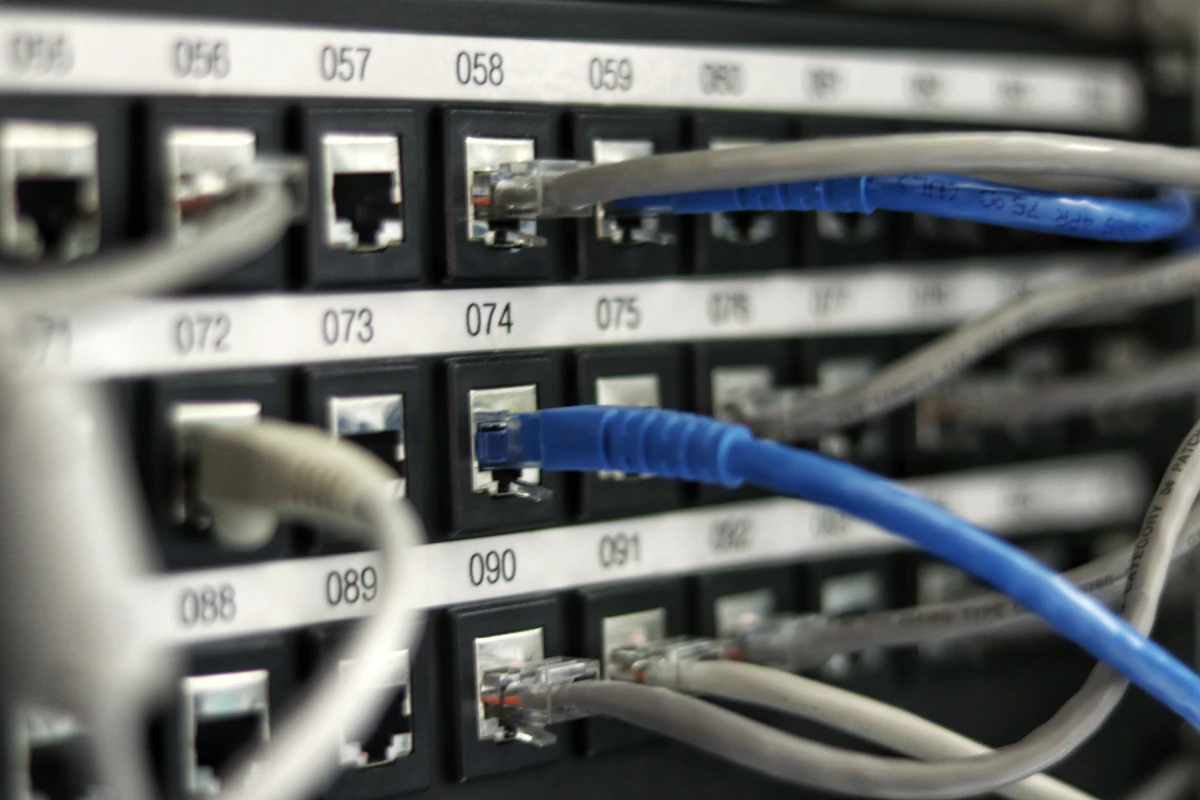
Figure 2: Quality installation standard deployment for Data Cabling.
? Frequently Asked Questions
Q: What details do you provide regarding Expert Guide to Low Smoke Zero Halogen (LSZH) Installations?
A: We have written an extensive guide on this. Read our complete guide to Expert Guide to Low Smoke Zero Halogen (LSZH) Installations or contact Gary Pearce on 07830638337.
Q: What details do you provide regarding Expert Guide to PoE Power Budgets Installations?
A: We have written an extensive guide on this. Read our complete guide to Expert Guide to PoE Power Budgets Installations or contact Gary Pearce on 07830638337.
Q: What details do you provide regarding Expert Guide to ISO/IEC 11801 Standards Installations?
A: We have written an extensive guide on this. Read our complete guide to Expert Guide to ISO/IEC 11801 Standards Installations or contact Gary Pearce on 07830638337.
Q: What details do you provide regarding Expert Guide to Attenuation Mitigation Installations?
A: We have written an extensive guide on this. Read our complete guide to Expert Guide to Attenuation Mitigation Installations or contact Gary Pearce on 07830638337.
Q: What details do you provide regarding Expert Guide to OTDR Diagnostics Installations?
A: We have written an extensive guide on this. Read our complete guide to Expert Guide to OTDR Diagnostics Installations or contact Gary Pearce on 07830638337.
Need a Professional Quote?
Trust Gary Pearce Home Services for NSI and SSAIB certified installations. Expert, reliable, and compliant.

Comments
Post a Comment