Comparing Attenuation Mitigation Options for Modern Homes
Comparing Attenuation Mitigation Options for Modern Homes
As a seasoned NSI/SSAIB certified Security and Networking Engineer based here in Newcastle upon Tyne, I’ve witnessed firsthand the rapid evolution of digital infrastructure within modern homes. From sophisticated smart home ecosystems and high-definition streaming to robust IP-based CCTV systems and seamless Wi-Fi coverage, the demand for reliable, high-speed data transmission has never been greater. At the heart of this reliability lies a crucial, yet often underestimated, challenge: attenuation.
Attenuation, in simple terms, is the loss of signal strength over distance. For data cabling, this translates directly into reduced bandwidth, slower speeds, increased packet loss, and ultimately, an unreliable network. For critical systems like NSI Grade 2 or 3 alarm installations and EN 50131 compliant CCTV systems, signal integrity isn't just a convenience; it's a security imperative. This guide delves into the various attenuation mitigation options available for contemporary homes, providing a comprehensive overview of technical parameters, installation best practices, and troubleshooting insights to ensure your network infrastructure is both robust and future-proof.
Understanding Attenuation in Data Cabling
Before we explore mitigation, it’s vital to understand the adversaries. Attenuation manifests as a reduction in the amplitude of an electrical signal as it travels along a cable. Several factors contribute to this signal degradation:
- Cable Length: The most obvious factor. The longer the cable run, the greater the signal loss.
- Cable Gauge: Thinner conductors (higher AWG numbers) have higher resistance, leading to more attenuation. For optimal performance, especially with Power over Ethernet (PoE), a lower AWG (e.g., 23AWG for Cat6/6a) is preferred.
- Frequency: Higher frequencies (used for faster data rates) suffer more from attenuation than lower frequencies. This is why Cat6a, designed for 10 Gigabit Ethernet, has stricter requirements than Cat5e for Gigabit Ethernet.
- Temperature: Increased temperature can slightly increase cable resistance, contributing to attenuation.
- Impedance Mismatch: Incorrect termination, poor quality connectors, or inconsistent cable impedance can cause signal reflections and loss.
- Crosstalk: While not direct attenuation, near-end crosstalk (NEXT) and far-end crosstalk (FEXT) reduce the signal-to-noise ratio, effectively masking the desired signal and making it appear weaker. Good quality cables and proper twisting reduce this.
The impact of attenuation ranges from minor inconveniences, such as slower file transfers, to critical system failures, like surveillance cameras losing power or dropping connection, rendering an NSI compliant system vulnerable.
The Foundation: Cable Standards and Their Role in Attenuation Management
Selecting the correct cable is the first and arguably most critical step in managing attenuation. Modern homes demand more than just basic connectivity; they require a resilient backbone capable of supporting a diverse range of high-bandwidth applications.
Cat5e: The Legacy Standard
While still prevalent in older installations, Cat5e (Category 5 enhanced) is largely considered a legacy standard for new home builds or major upgrades. It supports Gigabit Ethernet (1000BASE-T) over distances up to 100 metres. However, its performance envelope is stretched thin by modern demands, particularly when considering PoE+ or future 2.5/5Gbps applications. Its attenuation characteristics are acceptable for basic Gigabit, but it offers little headroom.
Cat6: The Current Workhorse
Cat6 (Category 6) provides a significant upgrade over Cat5e, offering improved performance up to 250 MHz and supporting 1 Gigabit Ethernet over 100 metres. Crucially, it can also support 10 Gigabit Ethernet (10GBASE-T) but only over limited distances, typically up to 55 metres depending on alien crosstalk. Its tighter twists and often a central splinered design help minimise crosstalk, thus indirectly improving the effective signal strength by reducing interference. For many standard home networking applications, Cat6 remains a cost-effective and reliable choice.
Cat6a: The Future-Proofing Standard for Modern Homes
Cat6a (Category 6 augmented) is, in my professional opinion, the minimum standard for any new cabling installation in a modern home aiming for longevity and high performance. It supports 10 Gigabit Ethernet (10GBASE-T) over the full 100-metre distance at frequencies up to 500 MHz. The 'a' signifies its augmentation for alien crosstalk reduction, a critical factor for 10Gbps transmission. Its superior construction and tighter specifications directly address attenuation and noise, making it ideal for:
- High-speed backbones to switches and Wi-Fi access points (especially Wi-Fi 6/6E and beyond).
- Connectivity for high-resolution 4K/8K media servers and streaming devices.
- Reliable Power over Ethernet (PoE and PoE+) for IP cameras (crucial for SSAIB compliance), door entry systems, and VoIP phones.
Installation Procedure for Cat6a: Installing Cat6a requires meticulous attention to detail. Proper bend radius must be maintained (typically four times the cable diameter) to avoid kinking, which can drastically increase attenuation and crosstalk. Termination must adhere strictly to T568A or T568B standards, ensuring untwisted pairs are kept to an absolute minimum (less than 13mm from the sheath to the IDC contact). Utilising high-quality, matching Cat6a rated patch panels, keystone jacks, and patch leads is non-negotiable. Furthermore, where cables are run in bundles, especially over longer distances or through conduits, selecting U/FTP or F/UTP shielded Cat6a can further protect against external electromagnetic interference (EMI) and alien crosstalk, a common cause of perceived attenuation.
Cat7/Cat7a: Niche Applications
Cat7 (Category 7) and Cat7a (Category 7 augmented) are specified for frequencies up to 600 MHz and 1000 MHz respectively, supporting 10 Gigabit Ethernet and potentially higher speeds over the full 100-metre distance. They are often individually shielded (S/FTP or F/FTP), providing excellent noise immunity. While technically superior, they are often overkill for typical home installations due to higher cost, larger diameter, and the use of GG45 or TERA connectors (though they can be terminated to RJ45 with some performance trade-offs). Their primary benefit lies in environments with extremely high EMI or for very specific, future-proofed segments where cost is not a primary concern, or where future 25Gbps/40Gbps might be considered with appropriate equipment.
Cat8: Data Centre Performance
Cat8 (Category 8) is a beast, supporting 25 Gigabit (25GBASE-T) and 40 Gigabit Ethernet (40GBASE-T) over distances up to 30 metres. Operating at frequencies up to 2000 MHz, it employs heavy shielding (S/FTP) to combat severe attenuation at these extreme frequencies. For the vast majority of modern homes, Cat8 is unnecessary and cost-prohibitive. Its use case is almost exclusively for short, high-speed backbone connections within a dedicated home server rack or for linking high-end networking equipment where absolute maximum throughput is required over very short distances.
Fibre Optic Cabling: The Ultimate Attenuation Solution
For truly exceptional attenuation mitigation over long distances or in environments prone to severe electromagnetic interference, fibre optic cabling reigns supreme. Unlike copper, fibre transmits data using light pulses, making it immune to EMI and offering virtually no signal degradation over hundreds or even thousands of metres. While typically more expensive and complex to install and terminate, its benefits are unmatched for specific applications:
- Connecting outbuildings (garden offices, detached garages) where copper’s 100-metre limit is exceeded.
- Providing a high-speed backbone between floors or within a large property without distance limitations.
- Connecting high-bandwidth network attached storage (NAS) or media servers to core switches.
Modern fibre solutions often utilise pre-terminated cables or easy-to-use field-terminable connectors, making it more accessible for residential deployments. Single-mode fibre offers the longest distances, while multi-mode fibre (OM3/OM4) provides ample bandwidth for shorter to medium runs within a property.
Advanced Attenuation Mitigation Strategies & Technologies
1. Power over Ethernet (PoE) and Power Budgets
PoE technology is a cornerstone of modern smart homes and security systems, powering devices like IP cameras (e.g., those part of an NSI Grade 2/3 compliant CCTV system), Wi-Fi access points, and VoIP phones directly over the data cable. However, attenuation significantly impacts PoE performance because it causes a voltage drop over distance. A device requiring 12V at the camera end might only receive 9V if cable attenuation is excessive, leading to intermittent operation or complete failure.
- PoE (802.3af): Provides up to 15.4W per port, with 12.95W available at the device.
- PoE+ (802.3at): Offers up to 30W per port, with 25.5W available at the device, ideal for more power-hungry devices like pan-tilt-zoom (PTZ) cameras or Wi-Fi 6 access points.
- PoE++ (802.3bt Type 3/4): Delivers even higher power (up to 60W or 100W respectively), though less common in residential settings, useful for high-end digital signage or thin clients.
Technology & Installation: Mitigating PoE-related attenuation requires careful planning. Always calculate the total power budget required by all PoE devices and select a PoE switch with adequate capacity, including a safety margin. Utilise high-quality Cat6a or better cabling with 23AWG conductors, as thinner 24AWG Cat5e can experience greater voltage drop. For long runs approaching 100 metres, ensure the cable is specifically rated for PoE applications (often referred to as 'PoE-optimised' or 'PoE-ready') to minimise conductor resistance. Proper termination is even more critical here; loose connections increase resistance and heat, posing a fire risk as well as signal degradation. For external IP cameras, consider Assessing the Risks of Using Public Cloud for CCTV Storage and the implications of reliable power delivery to these critical surveillance points.
Troubleshooting PoE Issues: If a PoE device is not powering up or is intermittently losing connection, first check the PoE switch's power budget and individual port power consumption. Use a cable certifier with PoE testing capabilities to measure voltage drop along the cable. High resistance readings or excessive voltage drop indicate a problem with the cable itself (length, quality, or damage) or its termination.
2. Strategic Repeater and Extender Placement
When exceeding the 100-metre limit of copper Ethernet, or when a segment of cabling is unavoidable and suffers from high attenuation, active repeaters or extenders become necessary.
- Ethernet Extenders: These devices amplify the signal, allowing for runs beyond 100 metres, often using a proprietary transmission scheme over a single pair or existing telephone lines (DSL-based extenders). While effective for data, they typically don't carry PoE.
- PoE Extenders: Specifically designed for PoE devices, these compact units can extend a PoE connection by another 100 metres without requiring local power. They draw a small amount of power from the incoming PoE line and re-inject a refreshed PoE signal. Multiple extenders can be daisy-chained for very long runs, but each adds a slight power draw and potential point of failure.
- Fibre Optic Media Converters: For the most robust extension, media converters translate an Ethernet signal into an optical signal for transmission over fibre, then convert it back to Ethernet at the other end. This is ideal for connecting outbuildings or long property boundaries where significant distances (hundreds or thousands of metres) are involved.
Installation Procedures: Placement is key. Repeaters should be installed before the signal has degraded beyond recovery. For PoE extenders, ensure they are placed in easily accessible, environmentally protected locations (e.g., inside a waterproof junction box for outdoor runs). Power consumption of the extender itself must be factored into the overall PoE budget. For media converters, ensure they are properly grounded and that the fibre patch cables are handled with care to avoid damage.
3. Environmental Considerations & Weatherproofing
Cabling installed outdoors or in harsh environments (e.g., unheated basements, lofts, conduits with potential water ingress) faces additional attenuation challenges and physical degradation. UV radiation, extreme temperatures, and moisture can compromise cable jackets, leading to increased attenuation and premature failure.
Technology & Installation:
- Outdoor-Rated Cable: For external runs, always use outdoor-rated (UV-resistant, waterproof) Cat6a or higher cabling. These typically feature robust polyethylene (PE) jackets. Gel-filled or water-blocked cables are excellent for underground conduits or areas prone to moisture.
- IP-Rated Enclosures: All external terminations, extenders, or media converters must be housed in appropriately IP-rated enclosures. IP66 ratings protect against powerful water jets and dust, while IP67 offers protection against temporary immersion. This is vital for maintaining the integrity of connections for external surveillance, such as cameras monitored by the UK Gov Surveillance Commission guidelines.
- Conduit & Glanding: Run outdoor cables through UV-resistant conduit where possible to provide additional physical protection. Use waterproof glands to secure cables entering enclosures, maintaining the IP rating. Drip loops should be incorporated before cable entry points to prevent water tracking along the cable into equipment.
- Earthing/Grounding: For shielded outdoor cables, proper earthing is essential to drain away induced currents from lightning strikes or EMI, preventing damage to connected equipment and maintaining signal integrity.
Comprehensive Comparison of Data Cabling Options for Modern Homes
To assist in decision-making, here's a detailed comparison of the most relevant cabling options for modern home installations:
Security Compliance & Best Practices
For any security or life safety system within a modern home, robust cabling isn't just about performance; it's about compliance and reliability. As an NSI/SSAIB certified engineer, I cannot stress enough the importance of adhering to relevant standards.
For alarm systems, compliance with EN 50131 (the European standard for alarm systems) is paramount. Grade 2 or Grade 3 installations demand high integrity cabling to prevent tampering or accidental disconnections. This means:
- Using appropriate cable types (e.g., solid core for fixed installations, multi-stranded for flexible connections).
- Ensuring secure termination within approved junction boxes or alarm panels.
- Protecting cables from physical damage or easy access by intruders.
- Properly documenting all cable runs and termination points for ease of maintenance and troubleshooting.
For CCTV systems, while there isn't a direct cable standard specifically for NSI/SSAIB, the performance of the cabling directly impacts the quality and reliability of the surveillance footage, which in turn affects the system's ability to meet grading requirements. Attenuation issues can lead to blurry images, dropped frames, or even cameras failing to power on, compromising the entire security programme. Always choose cables that can reliably deliver both data and PoE power to ensure continuous operation of your IP cameras, especially those located outdoors and subjected to various environmental stresses.
Good cable management, including labelling, proper routing, and avoiding common interference sources (like running data cables parallel to mains power cables), significantly contributes to long-term reliability and reduces the likelihood of intermittent faults that are difficult to diagnose. Regularly inspecting outdoor cabling for signs of wear or damage, especially after severe weather, is also a sensible preventative measure.
Conclusion: Building a Resilient Home Network
Mitigating attenuation in modern home data cabling is not a single-step process but rather a holistic approach encompassing careful planning, informed cable selection, meticulous installation, and proactive maintenance. By understanding the underlying principles of signal degradation and leveraging appropriate technologies—from choosing Cat6a as a minimum standard for new builds to strategically deploying fibre or PoE extenders for challenging runs—you can construct a network that is not only fast and reliable but also resilient enough to support the evolving demands of your smart home and critical security systems.
Investing in quality cabling and professional installation ultimately saves time, money, and frustration in the long run. As your local NSI/SSAIB certified expert, I always advocate for a structured cabling approach that anticipates future needs while rigorously adhering to current industry standards. This ensures that your home’s digital nervous system is robust, secure, and ready for whatever the future of technology brings.

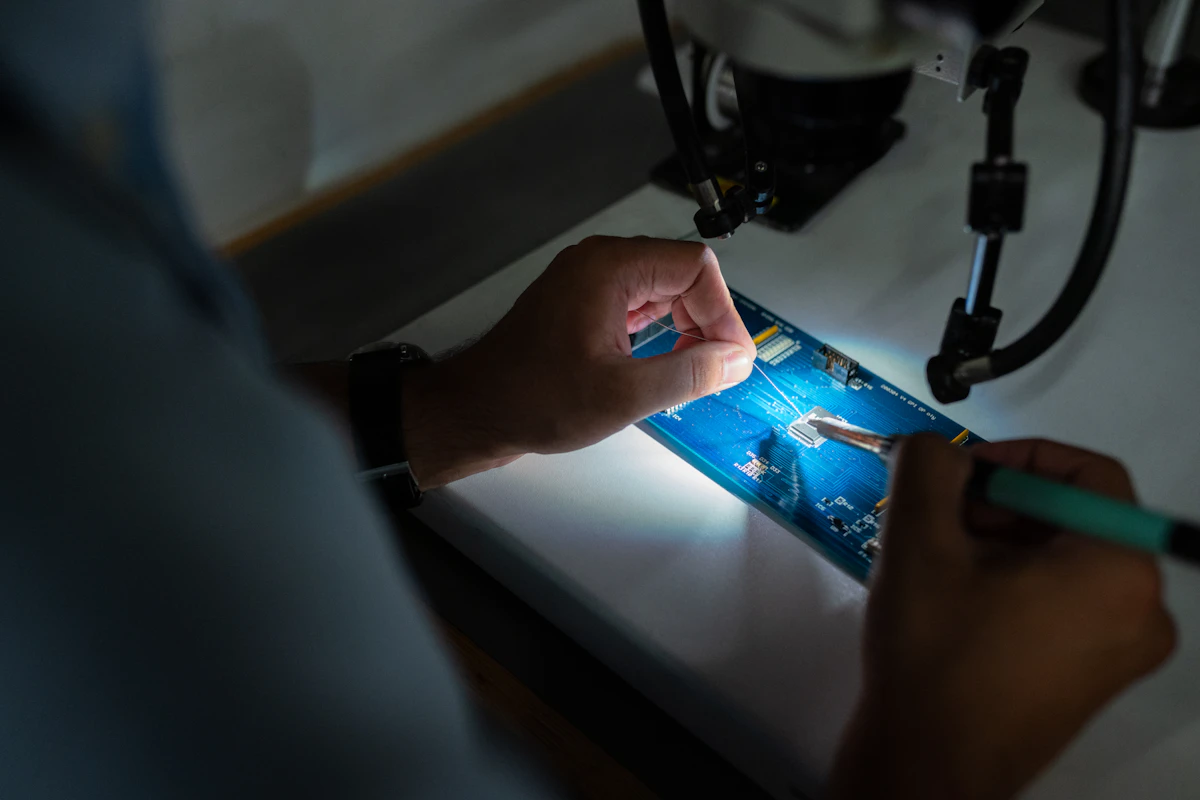
Figure 2: Quality installation standard deployment for Data Cabling.
? Frequently Asked Questions
Q: What details do you provide regarding Comparing OTDR Diagnostics Options for Modern Homes?
A: We have written an extensive guide on this. Read our complete guide to Comparing OTDR Diagnostics Options for Modern Homes or contact Gary Pearce on 07830638337.
Q: What details do you provide regarding Comparing Gigabit Speeds Options for Modern Homes?
A: We have written an extensive guide on this. Read our complete guide to Comparing Gigabit Speeds Options for Modern Homes or contact Gary Pearce on 07830638337.
Q: What details do you provide regarding Comparing Keystone Jack Termination Options for Modern Homes?
A: We have written an extensive guide on this. Read our complete guide to Comparing Keystone Jack Termination Options for Modern Homes or contact Gary Pearce on 07830638337.
Q: What details do you provide regarding Comparing Backbone Infrastructure Options for Modern Homes?
A: We have written an extensive guide on this. Read our complete guide to Comparing Backbone Infrastructure Options for Modern Homes or contact Gary Pearce on 07830638337.
Q: What details do you provide regarding Comparing Cat8 S/FTP Performance Options for Modern Homes?
A: We have written an extensive guide on this. Read our complete guide to Comparing Cat8 S/FTP Performance Options for Modern Homes or contact Gary Pearce on 07830638337.
Need a Professional Quote?
Trust Gary Pearce Home Services for NSI and SSAIB certified installations. Expert, reliable, and compliant.
Comments
Post a Comment