Commercial Grade Ethernet Cable Splicing Standard Operations in Cramlington

Commercial Grade Ethernet Cable Splicing Standard Operations in Cramlington: Ensuring Robust Network Infrastructure
As a seasoned NSI/SSAIB certified Security and Networking Engineer based here in Newcastle upon Tyne, with extensive experience across the North East, including vital commercial installations in Cramlington, I cannot overstate the critical importance of meticulous cable management and repair. In the dynamic landscape of modern commercial security and data networks, the integrity of your Ethernet cabling is paramount. This detailed guide addresses a frequently encountered yet often mishandled aspect of network infrastructure: commercial-grade Ethernet cable splicing. Far from a simple 'patch-up' job, proper splicing in a commercial context – especially within environments demanding stringent security and data reliability – requires adherence to exacting technical standards, regulatory compliance, and an understanding of advanced cabling technologies.
Our focus here is on delivering a comprehensive standard operating procedure for cable repairs, ensuring that any splice not only restores connectivity but maintains or even enhances the original cable's performance characteristics, including its capacity for Power over Ethernet (PoE), weatherproofing, and compliance with industry benchmarks like NSI Grade 2/3, SSAIB, and EN 50131. A poorly executed splice can be a weak link, compromising data throughput, introducing latency, causing intermittent device failure, and potentially invalidating security system certifications. This document aims to equip facility managers, IT professionals, and our field engineers with the knowledge to execute such repairs with uncompromising professionalism and technical precision.
Understanding Ethernet Cable Categories and Their Application in Commercial Environments
The foundation of any robust network lies in its cabling infrastructure. In Cramlington's commercial settings, from industrial units to retail complexes, understanding the nuances of different Ethernet cable categories is crucial before attempting any repair or splice. Each category offers distinct performance characteristics:
- Category 5e (Cat5e): Still widely deployed, Cat5e supports Gigabit Ethernet (1000BASE-T) over distances up to 100 metres. While suitable for many basic IP cameras and access control readers, its bandwidth limitations make it less ideal for high-resolution video streams or future-proofed installations. A splice on Cat5e must maintain its twist rates to prevent crosstalk.
- Category 6 (Cat6): Offering improved performance over Cat5e, Cat6 cable is designed to handle 1 Gigabit Ethernet up to 100 metres and 10 Gigabit Ethernet (10GBASE-T) up to 55 metres. It achieves this through tighter twisting of its pairs and often includes a central spline to separate the pairs, reducing near-end crosstalk (NEXT). Splicing Cat6 requires meticulous attention to preserving the spline and twist rates.
- Category 6a (Augmented Cat6): This category extends 10 Gigabit Ethernet to the full 100-metre distance. Cat6a cables are typically thicker and designed to minimise alien crosstalk (AXT), making them excellent for high-density data centres and modern security networks requiring significant bandwidth for numerous high-megapixel cameras. Splicing needs to account for its larger diameter and any shielding.
- Category 7/7a (Cat7/7a): Designed for 10 Gigabit Ethernet and beyond, Cat7 and Cat7a cables typically feature individual shielding for each wire pair, as well as an overall braid or foil shield. This offers superior noise reduction but makes them less flexible and more challenging to terminate or splice without specialised tools and connectors. They are less common in general commercial installations but find niches in high-EMI environments.
- Category 8 (Cat8): The latest standard, Cat8 is designed for 25 Gigabit (25GBASE-T) and 40 Gigabit (40GBASE-T) Ethernet over distances up to 30 metres. It is primarily used in data centre switch-to-server connections and offers significant bandwidth for future-proofing. Splicing Cat8 is highly specialised due to its strict performance requirements and shielding.
When undertaking a repair in Cramlington, accurately identifying the existing cable category is the first step. Any splice must be performed using components rated for the equivalent or higher category to avoid creating a bottleneck.
The Crucial Role of Power over Ethernet (PoE) in Modern Installations
Many contemporary commercial security devices – including IP cameras, access control readers, and IP intercoms – rely heavily on Power over Ethernet (PoE) for both data transmission and power delivery. This technology significantly simplifies installations and reduces cabling complexity, but it also introduces additional considerations for cable splicing.
There are several PoE standards:
- IEEE 802.3af (PoE): Delivers up to 15.4W of DC power to each device (12.95W available at the device).
- IEEE 802.3at (PoE+): Delivers up to 30W of DC power to each device (25.5W available at the device), often required for PTZ cameras or devices with heaters.
- IEEE 802.3bt (PoE++ / UPoE): The latest standard, offering up to 60W (Type 3) and 100W (Type 4) of DC power, suitable for demanding applications like LED lighting or high-performance wireless access points.
When splicing a cable carrying PoE, especially PoE+ or PoE++, heat dissipation becomes a significant concern. Poor connections increase resistance, leading to heat generation, which can degrade cable performance, increase insertion loss, and potentially melt cable insulation or plastic components within enclosures. A reliable splice must ensure minimal resistance across all conductors to maintain power integrity and prevent overheating. This includes using industrial-grade, often gel-filled, connectors and enclosures specifically designed for PoE applications.
Environmental Protection: Weatherproofing and Durability (IP Ratings)
Many cable repairs, particularly in external areas or unconditioned internal spaces within Cramlington's industrial zones, demand robust environmental protection. The Ingress Protection (IP) rating system is crucial here:
- IP66: This rating signifies full protection against dust ingress and strong jets of water from any direction. It's suitable for outdoor use where heavy rain or hose-downs might occur.
- IP67: Offers the same dust protection as IP66 but extends water protection to temporary immersion in water up to 1 metre for 30 minutes. This is ideal for locations prone to occasional flooding or very harsh wash-down environments.
A cable splice in such environments must utilise an IP-rated enclosure (junction box) that matches or exceeds the required rating. This involves using sealed glands for cable entry and exit, internal gel-filled splice connectors or modules to encapsulate the connections, and robust, UV-stabilised materials for the enclosure itself. Failure to maintain the IP rating will lead to moisture ingress, corrosion, short circuits, and ultimately, system failure – a costly oversight in any commercial operation.
Regulatory Compliance: NSI, SSAIB, and EN 50131 Standards
For any security system installation or repair, adherence to regulatory standards is non-negotiable. As an NSI/SSAIB certified engineer, I understand that every aspect of a system, down to a cable splice, must contribute to its overall compliance. The NSI (National Security Inspectorate) and SSAIB (Security Systems and Alarms Inspection Board) are the leading UK certification bodies for security system providers.
Key standards to consider:
- NSI Gold / Silver and SSAIB Standards: These certifications ensure that security system installations, including CCTV, intruder alarms, and access control, meet the highest industry standards. A cable repair must not degrade the security grading of a system. For instance, in an NSI Grade 2 or Grade 3 intruder alarm system (governed by EN 50131), cable integrity is paramount. Unauthorised access to a splice point could compromise the entire system; therefore, any splice must be made in an appropriately secure and tamper-evident manner, particularly for signalling cables.
- EN 50131 (Intruder Alarm Systems): This European standard specifies the requirements for intruder alarm systems. For Grade 3 systems, any cable run or connection point must be highly resistant to attack and tampering. This often means using tamper-proof enclosures and ensuring that no single point of failure can easily disable a detection zone or communication path. Proper splicing using secure, sealed, and documented methods contributes directly to maintaining compliance.
The NSI Security Inspectorate provides comprehensive guidelines that we, as certified engineers, strictly adhere to. Every repair is documented, and components used are traceable to ensure long-term reliability and auditability. This level of diligence protects both the client and the integrity of the installed security infrastructure.
Detailed Section 1: Pre-Splicing Assessment and Planning
Before any physical work commences on a damaged Ethernet cable in a commercial setting, a thorough pre-splicing assessment and planning phase is essential. This methodical approach ensures efficiency, safety, and ultimately, the success and longevity of the repair.
1. Damage Assessment and Identification
- Type and Extent of Damage: Determine if the damage is a clean cut, crush, abrasion, or environmental degradation. Note the length of the damaged section. Is it just the outer jacket, or are internal conductors compromised?
- Cable Category Identification: Visually inspect the cable jacket for markings (e.g., "Cat6 UTP," "Cat7 SFTP"). If unmarked, infer from surrounding infrastructure or existing documentation. Always assume the worst-case scenario and plan for the highest performance required.
- Environmental Considerations: Note the cable's location. Is it indoors, outdoors, buried, or in a conduit? What are the temperature extremes, humidity levels, and potential for water or dust ingress? This dictates the type of weatherproofing required (e.g., IP66/IP67 enclosure).
- PoE Assessment: Determine if the cable carries Power over Ethernet (PoE, PoE+, PoE++). This will influence the choice of splice connectors and enclosures to ensure adequate heat dissipation and minimal resistance.
- Security System Impact: If the cable is part of a security system (CCTV, access control, intruder alarm), understand its grade and ensure the repair will maintain compliance with NSI/SSAIB and EN 50131 standards. Consider tamper-evidence requirements.
2. Tooling and Material Preparation
Having the correct, high-quality tools and materials on hand is non-negotiable for a professional splice:
- Cable Strippers: Precision strippers specific to cable diameter (Cat5e, Cat6, Cat7). Avoid general-purpose knives that can nick internal wires.
- Crimping Tools / Punch-Down Tools: High-quality crimpers for RJ45 connectors or 110/ Krone punch-down tools for IDC (Insulation Displacement Connector) modules.
- Cable Couplers/Jacks: Industrial-grade, shielded (if applicable) Cat5e, Cat6, or Cat6a rated keystone jacks or inline couplers. For outdoor or harsh environments, gel-filled IDC splice modules are often preferred.
- Weatherproof Enclosures: IP-rated junction boxes (IP66, IP67) with appropriate cable glands. Ensure sufficient internal space for bend radius and connections.
- Cable Ties and Management: For strain relief and neatness within the enclosure.
- Cleaning Supplies: Isopropyl alcohol wipes for connectors.
- Certified Cable Tester: Essential for post-splicing verification (e.g., Fluke Networks LinkRunner or DSX CableAnalyzer).
3. Safety Protocols
Adhere to all site-specific and general health and safety regulations:
- Power Isolation: Always confirm power is isolated to the affected cable if it's carrying PoE or could be close to mains wiring. Use a non-contact voltage tester.
- Personal Protective Equipment (PPE): Gloves, safety glasses, and appropriate clothing.
- Working at Height: If applicable, follow safe ladder or platform procedures.
Detailed Section 2: Commercial Grade Ethernet Cable Splicing Procedures
Executing the splice requires precision and adherence to best practices to maintain signal integrity, PoE reliability, and environmental protection.
1. Preparing the Cable Ends
- Clean Cut: Using sharp snips, make a clean, square cut on both ends of the damaged cable, removing any frayed or compromised sections. Aim to remove as little functional cable length as possible while ensuring a pristine starting point.
- Stripping the Outer Jacket: Carefully use a precision cable stripper to remove approximately 5-7 cm (2-3 inches) of the outer jacket from each cable end. Ensure the stripper doesn't nick the internal wire insulation or any shielding. For Cat6/6a, preserve the central spline if present.
- Exposing Wires: Untwist the individual wire pairs minimally, just enough to work with them. Excessive untwisting drastically increases crosstalk and signal degradation. Maintain the original twist rates as much as possible right up to the termination point.
- Shielding Management (if applicable): For shielded cables (STP, SFTP), ensure the drain wire or foil shield is properly managed and terminated to maintain continuity and grounding. This is critical for EMI/RFI suppression, especially in industrial environments.
2. Connectorisation and Splicing
There are generally two preferred methods for splicing commercial-grade Ethernet cables:
- IDC (Insulation Displacement Connector) Modules: These are often preferred for their robustness and ease of use in the field.
- Wiring Standard: Always maintain consistent wiring – either T568A or T568B – on both sides of the splice to ensure a straight-through connection. T568B is more common in commercial UK installations.
- Punch-Down: Insert each individual wire into the corresponding slot on the IDC module and use a punch-down tool to terminate. The tool simultaneously cuts off excess wire.
- Gel-Filled Modules: For outdoor or damp environments, use gel-filled IDC modules. The gel provides environmental sealing around the connection points, protecting against moisture and corrosion, which is vital for maintaining PoE performance.
- Shielded Options: Use shielded IDC modules if the original cable is shielded, ensuring continuity of the shield.
- Inline Couplers/Keystone Jacks with Patch Cable: This method creates a short segment of new cable.
- Terminate to Keystone Jacks: Terminate each cable end to a high-quality, category-rated (e.g., Cat6a) keystone jack using the T568B (or T568A, consistently) wiring standard.
- Connect with Patch Cable: Use a very short (e.g., 15-30cm) factory-made, certified patch cable of the same or higher category to connect the two keystone jacks via an inline coupler or a miniature patch panel. This method adds two extra connection points and thus slightly more insertion loss but can be useful for creating a modular repair point.
3. Enclosure and Sealing
- IP-Rated Junction Box: House all splice connections within an appropriately sized and rated IP66 or IP67 junction box. Ensure the box provides enough slack for bend radius without stressing the cables.
- Cable Glands: Utilise compression cable glands (or similar sealing mechanisms) at all cable entry and exit points of the enclosure. Tighten these securely to form a watertight and dust-tight seal around the cable jacket, preventing ingress.
- Strain Relief: Inside the enclosure, use cable ties or internal clamping mechanisms to provide strain relief on the cables, preventing any pulling force from impacting the delicate connections.
- While this guide focuses on copper Ethernet, it's worth noting that for extremely long runs or environments with high electromagnetic interference, Benefits of Fiber Optic Backbones for Large Security Sites often provide a more robust and future-proof solution, though their splicing procedures are different and require specialised fusion splicing equipment.
Detailed Section 3: Post-Splicing Verification and Troubleshooting
The job isn't complete until the splice has been thoroughly tested and verified. This step is non-negotiable for commercial-grade installations, ensuring performance, reliability, and compliance.
1. Certified Cable Testing
A simple continuity tester is insufficient for commercial installations. A certified cable tester (e.g., from Fluke Networks, Psiber Data, or Softing IT Networks) is essential for comprehensive verification.
- Wiremap: Verify correct pin-to-pin connections (T568A or T568B) and detect any open, short, or split pairs. This is the most basic test and ensures physical connectivity.
- Length: Confirm the cable length is within specification for the category. The splice should not significantly alter the electrical length in a way that impacts performance.
- Insertion Loss (Attenuation): Measures signal loss along the cable. A well-executed splice should introduce minimal additional insertion loss. High loss can degrade signal strength and reduce effective distance.
- Return Loss: Measures reflections caused by impedance mismatches. A poor splice can cause significant reflections, leading to retransmissions and slower network speeds.
- Near-End Crosstalk (NEXT) and Far-End Crosstalk (FEXT): Measure signal leakage between adjacent wire pairs. Untwisting pairs too much during splicing dramatically increases crosstalk. Ensure the splice point does not cause an unacceptable increase.
- Power over Ethernet (PoE) Testing: If the cable carries PoE, the tester should verify power delivery (voltage and current) to ensure the splice does not impede power to the device. This is crucial for devices like high-power PTZ cameras.
All test results should be saved and documented for future reference and compliance auditing, particularly for NSI/SSAIB certified installations.
2. Troubleshooting Common Issues
Despite best efforts, issues can arise. Common splicing-related problems and their remedies:
- "No Link" / "Link Down":
- Cause: Open circuit (broken wire), short circuit, incorrect wiremap (e.g., T568A to T568B mismatch).
- Remedy: Re-check wiremap. Inspect connections for proper termination. Re-terminate faulty wires.
- Slow Speeds / Intermittent Connectivity:
- Cause: Excessive insertion loss, high return loss, high crosstalk due to poor twist rate maintenance or unshielded connections where shielding is required.
- Remedy: Re-test with a certified tester to identify the specific parameter failure. Re-do the splice paying closer attention to untwisting and ensuring correct termination. Consider upgrading splice components if they are below cable category rating.
- PoE Device Failure / Unreliable Power:
- Cause: High resistance in one or more conductors at the splice point, causing voltage drop or excessive heat.
- Remedy: Re-terminate the splice, ensuring all connections are solid and fully seated. Verify continuity and resistance on all pairs with a multimeter or advanced cable tester. Use only PoE-rated splice components.
- Environmental Degradation (after some time):
- Cause: Inadequate IP rating, improperly sealed enclosure, non-UV stable materials.
- Remedy: Replace the entire splice assembly with higher-rated, properly sealed components. Re-evaluate environmental factors.
3. Documentation
Document every splice: location, date, cable category, method used, components, and especially the detailed test results. This record is invaluable for future troubleshooting, maintenance, and maintaining NSI/SSAIB compliance.
Ethernet Cable Category Comparison for Commercial Deployments
To further contextualise the importance of selecting the right cable and maintaining its integrity through splicing, here's a comparative overview of common Ethernet cable categories relevant to commercial operations in Cramlington:
Conclusion: The Imperative of Professional Splicing in Cramlington
In the demanding commercial environments of Cramlington, the phrase "a chain is only as strong as its weakest link" has profound implications for network and security infrastructure. A professionally executed Ethernet cable splice is not merely a repair; it is a critical engineering task that directly impacts data throughput, power delivery, system reliability, and crucially, regulatory compliance with bodies like NSI and SSAIB. Ignoring the technical parameters of cabling standards (Cat5e to Cat8), underestimating the power budgets of PoE and PoE+, or neglecting the imperative of weatherproofing (IP66, IP67) and security compliance (EN 50131 Grade 2/3) will inevitably lead to costly operational disruptions, security vulnerabilities, and potential invalidation of system certifications.
As Gary Pearce, an NSI/SSAIB certified engineer, my commitment is to ensure that all work undertaken, from initial installation to emergency cable repairs, meets the highest standards of excellence. This detailed guide underscores the rigorous methodology required for commercial-grade Ethernet cable splicing. By adhering to these standard operations, facilities in Cramlington can be confident that their network infrastructure remains robust, secure, and fully compliant, safeguarding their assets and operations against future failures and technological obsolescence.
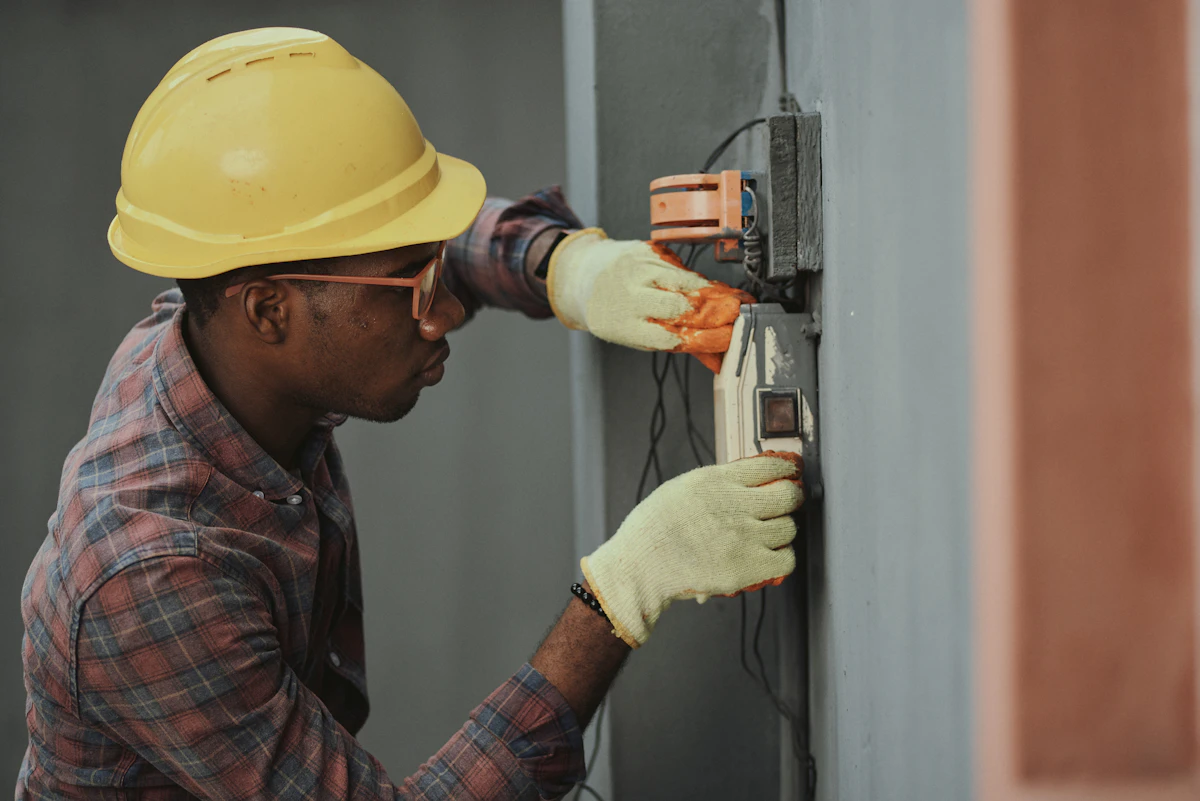
Figure 2: Quality installation standard deployment for Cable Repairs.
? Frequently Asked Questions
Q: What details do you provide regarding Commercial Grade Water Ingress Cable Corruption Standard Operations in North Shields?
A: We have written an extensive guide on this. Read our complete guide to Commercial Grade Water Ingress Cable Corruption Standard Operations in North Shields or contact Gary Pearce on 07830638337.
Q: What details do you provide regarding Commercial Grade Junction Box Splicing Standard Operations in Gosforth?
A: We have written an extensive guide on this. Read our complete guide to Commercial Grade Junction Box Splicing Standard Operations in Gosforth or contact Gary Pearce on 07830638337.
Q: What details do you provide regarding Commercial Grade Ethernet Cable Splicing Standard Operations in Hebburn?
A: We have written an extensive guide on this. Read our complete guide to Commercial Grade Ethernet Cable Splicing Standard Operations in Hebburn or contact Gary Pearce on 07830638337.
Q: What details do you provide regarding Commercial Grade Water Ingress Cable Corruption Standard Operations in Peterlee?
A: We have written an extensive guide on this. Read our complete guide to Commercial Grade Water Ingress Cable Corruption Standard Operations in Peterlee or contact Gary Pearce on 07830638337.
Q: What details do you provide regarding Commercial Grade Junction Box Splicing Standard Operations in Washington?
A: We have written an extensive guide on this. Read our complete guide to Commercial Grade Junction Box Splicing Standard Operations in Washington or contact Gary Pearce on 07830638337.
Need a Professional Quote?
Trust Gary Pearce Home Services for NSI and SSAIB certified installations. Expert, reliable, and compliant.
Comments
Post a Comment